
Understanding the Main Factors That Affect Skip Hire Prices UK
Understanding what affects skip hire prices is essential whether you’re a homeowner clearing out clutter, a construction manager dealing with ongoing site waste, or a business undertaking major refurbishment. Every project generates rubbish, and managing it efficiently keeps your environment safe, organised, and compliant with regulations.
Before diving into the main factors, it’s worth noting that people often start searching for skip hire prices near me when they’re comparing local services. Prices can appear inconsistent at first glance, but there are clear reasons behind the variation. From size to access restrictions, collection frequency to the type of waste you’re disposing of, each element plays a role. Knowing what drives these price changes ensures you choose a service that matches your needs without overspending.
Some customers focus purely on affordability and may search terms like cheap skip bin hire. While cost matters, it’s crucial not to sacrifice compliance, reliability, and proper waste management. Cheaper providers may lack permits, insurance, or responsible disposal routes, which can lead to problems later. Instead, aim for value — not just the lowest number — with a skip partner that provides transparency and professional support from start to finish.
This guide explores the factors that influence costs across the UK, helping you make informed decisions and plan your budget with confidence.
Skip Size and Volume Capacity
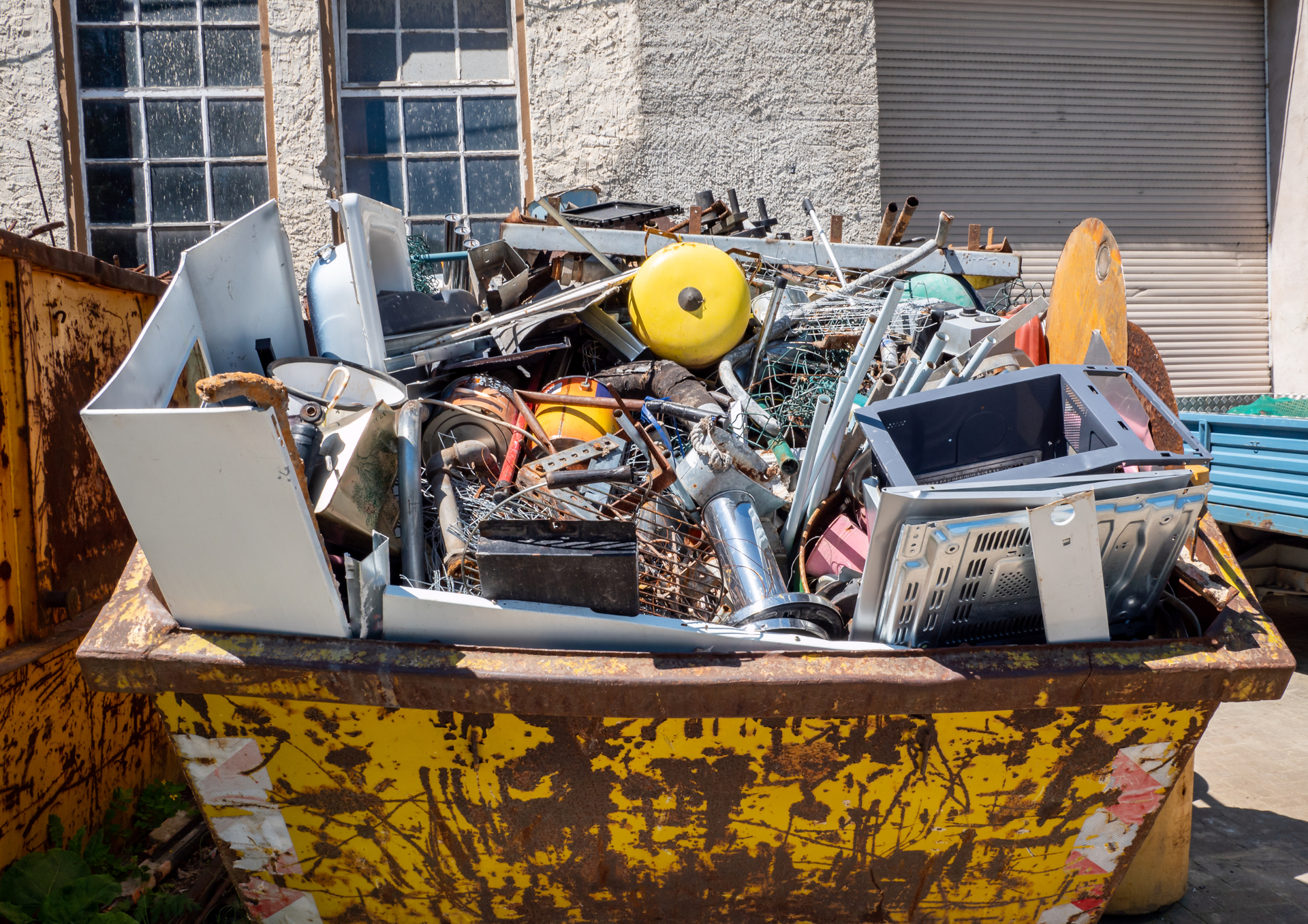
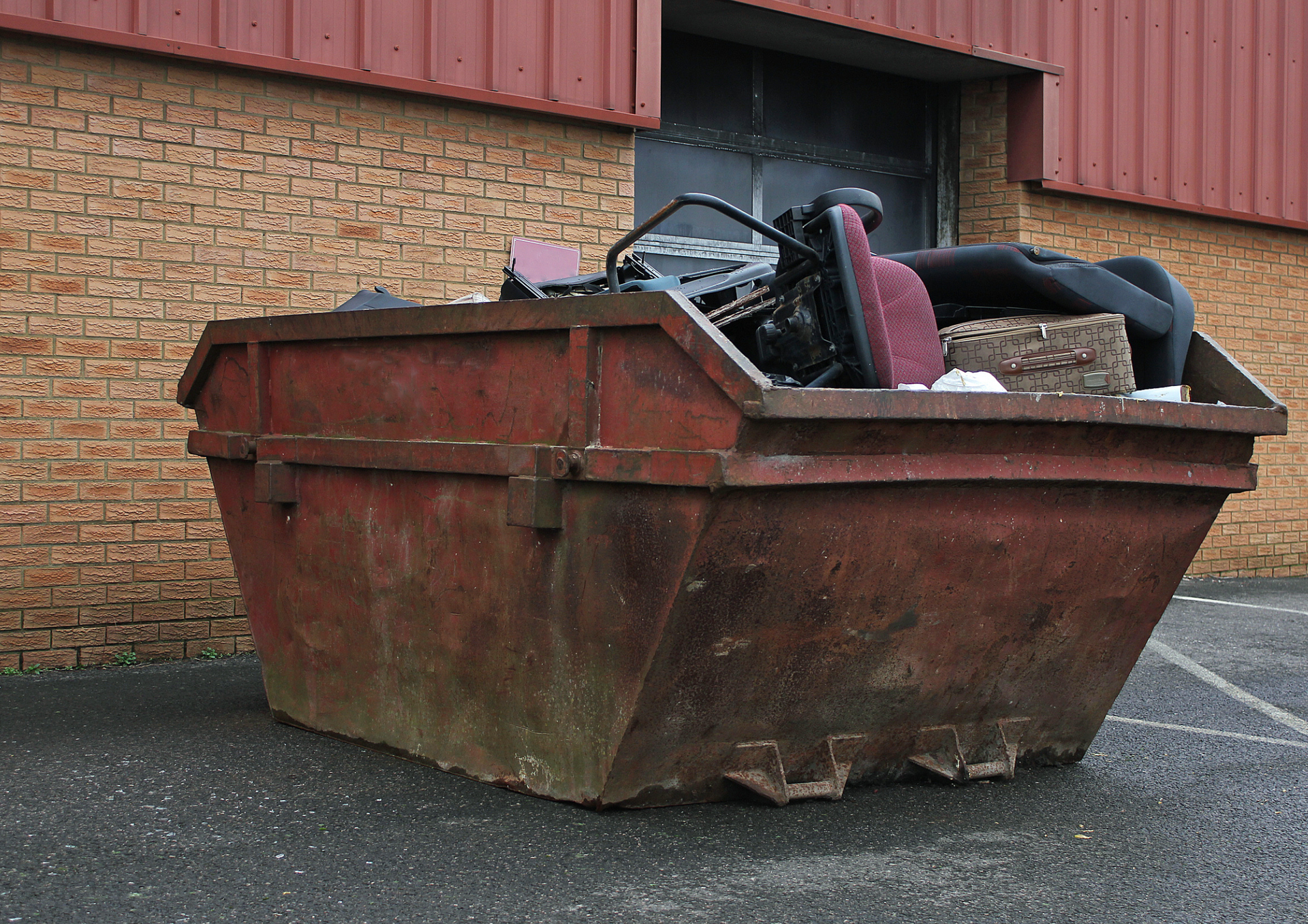
One of the biggest influencers on skip hire prices is the size of the skip you choose. Each skip is designed to hold a specific volume of waste, measured in cubic yards. Smaller skips such as 2-yard or 4-yard models suit minor clearouts, while mid-range 6-yard or 8-yard skips are common for home renovations and landscaping projects. Larger skips, including 12-yard or 16-yard models, are ideal for bulky items and commercial waste streams.
Costs rise as the container size increases because larger skips require more materials to manufacture, more waste handling capacity, and more space on collection vehicles. They also allow you to dispose of more waste in a single hire, which may reduce your overall cost if you would otherwise need multiple small skips. Choosing the right size can prevent unnecessary overspending while ensuring you have enough space for all waste generated.
A related factor is whether you intend to rent a skip for a one-off job or an ongoing project. Long-term hire often involves different price structures because it includes multiple collections or extended timelines. Planning the right size and hire duration upfront helps avoid extra charges for overfilling or swapping skips mid-project.
Waste Type and Disposal Requirements
Different kinds of waste come with different disposal rules, and this has a direct impact on how much you pay for skip hire. Understanding how waste categories affect pricing can help you choose the right skip and avoid unexpected costs.
- General household waste is usually the most affordable to dispose of because it requires minimal processing.
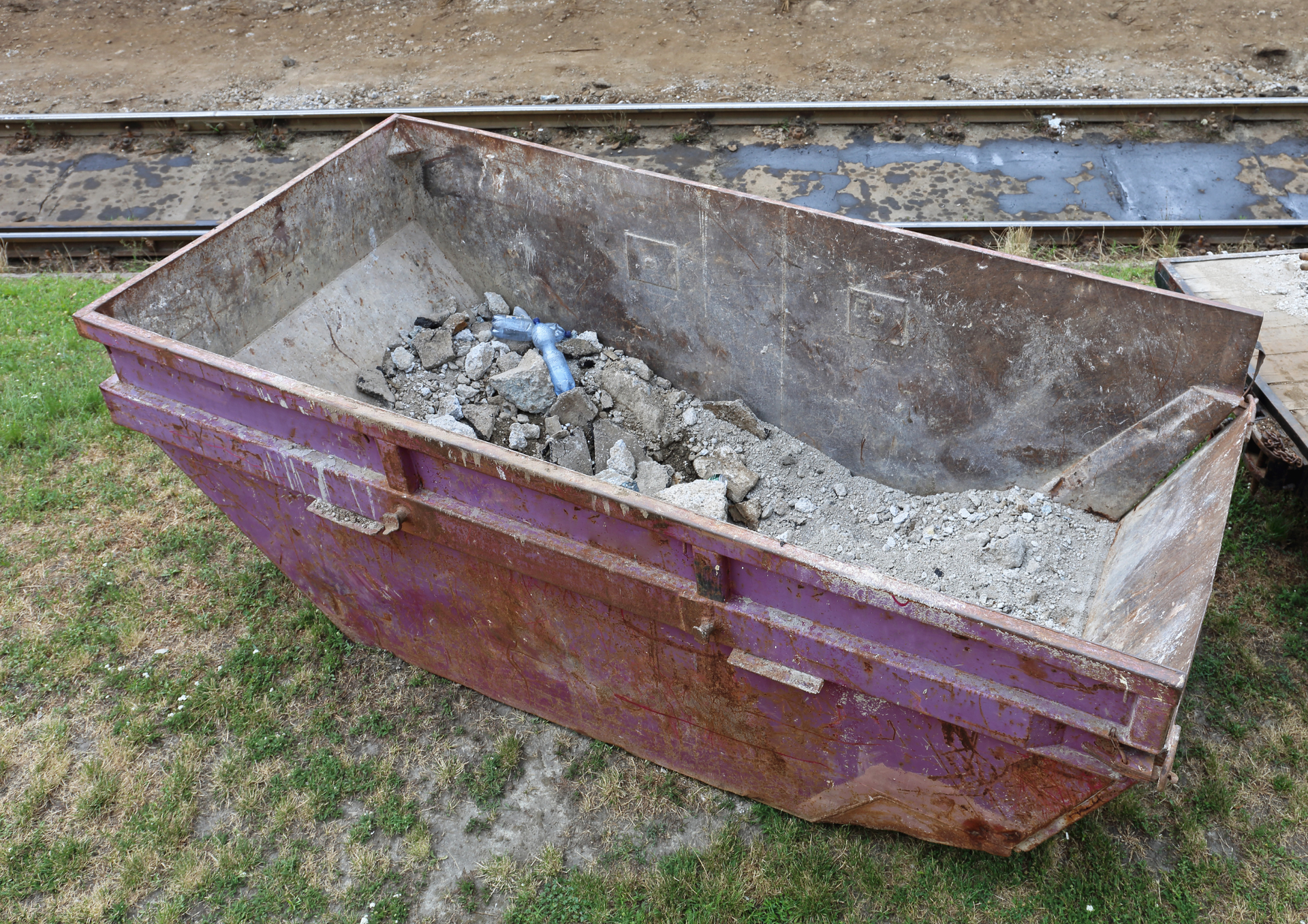
- Construction materials such as plasterboard, soil, rubble, and mixed debris often cost more due to the additional handling, sorting, and disposal steps involved.
- Hazardous items — including chemicals, asbestos, solvents, and electrical equipment — cannot go into standard skips and require specialist disposal, which increases overall pricing.
- Choosing a larger skip for mixed waste may offer convenience, but it raises costs since recycling facilities must separate recyclable and non-recyclable materials.
- Rising landfill taxes also influence prices, especially for waste streams that cannot be diverted from landfill.
- Selecting a skip that accurately matches your waste type is essential; overestimating is usually safer than underestimating, which can lead to extra fees, rejected loads, or delays.
- Finding the best price skip bins often comes down to planning your waste categories correctly from the start.
Permit Requirements and Access Conditions
Where a skip can be placed and how easily it can be delivered both play major roles in determining overall hire costs. Permits, access challenges, and placement restrictions can all influence the final price.
- If a skip must be placed on a public road, pavement, or verge, a skip permit from the local authority is required.
- Permit fees vary between councils and directly affect total hire costs.
- Some councils may require safety equipment such as lights, cones, or reflective markings, adding to the overall price.
- Access issues — including narrow streets, low bridges, cul-de-sacs, and tight driveways — can make delivery more difficult.
- Specialised vehicles or additional manoeuvring time may be needed for challenging access, potentially increasing costs.
- Clear, unobstructed access helps avoid failed delivery fees, which occur when the skip cannot be positioned safely.
- Many customers, including event organisers, landscapers, and businesses handling office relocations, often overlook access conditions when budgeting.
Hire Duration and Collection Frequency
Most skip hire companies offer flexible hire periods, ranging from a few days to several weeks. Short-term hires are typically cheaper because the skip is returned quickly for the next customer. Longer-term hires cost more because the skip remains unavailable for other projects, and companies may need to schedule multiple collections.
Hire duration is particularly relevant for construction sites with ongoing waste generation, office relocations with phased clearouts, or renovation projects where rubbish accumulates slowly over time. Managing timelines properly avoids unnecessary extension fees.
Collection frequency can also influence your total cost. While a single collection is standard, some jobs require multiple pickups or regular swap-outs, which increases operational time and fuel usage. Planning your waste removal schedule helps keep costs manageable and avoids last-minute charges.
Understanding what drives
skip hire prices helps you make smarter decisions and avoid unexpected costs. Whether you’re dealing with household waste, organising a commercial refurbishment, or managing a large-scale construction project, knowing how size, waste type, permits, duration, and access conditions influence pricing gives you more control over your budget. With clear planning and the right provider, skip becomes a straightforward and efficient solution for waste management in any part of the UK.
Choosing the right skip company ensures reliability, transparency, and responsible waste handling.
Skip Hire Luton stands out by offering clear pricing, a wide range of
skip sizes, and professional service tailored to both domestic and commercial projects. We prioritise sustainability, efficient waste disposal, and customer support from the moment you enquire to the final collection. Whether you’re a homeowner, business, or contractor, we deliver dependable solutions that make waste management simple, safe, and cost-effective.
Update on X:
Skip Hire Prices UK – what influences the price you pay!
You might also like