
Skip Hire Near Me for DIY Home Improvement Projects Made Simple
DIY home improvement projects continue to grow in popularity as property owners look for practical ways to improve their homes, increase usable space, and maintain their property's condition. Whether carrying out a single-room refurbishment or tackling several improvement tasks over a number of weeks, careful planning helps every stage of the project run more smoothly.
One part of the planning process that is often underestimated is waste management. Renovation work can produce surprisingly large quantities of unwanted materials, from timber and plasterboard to broken tiles, old kitchen units, carpets, packaging, and garden waste. Without a clear disposal plan, these materials can quickly reduce working space, create unnecessary hazards, and delay progress.
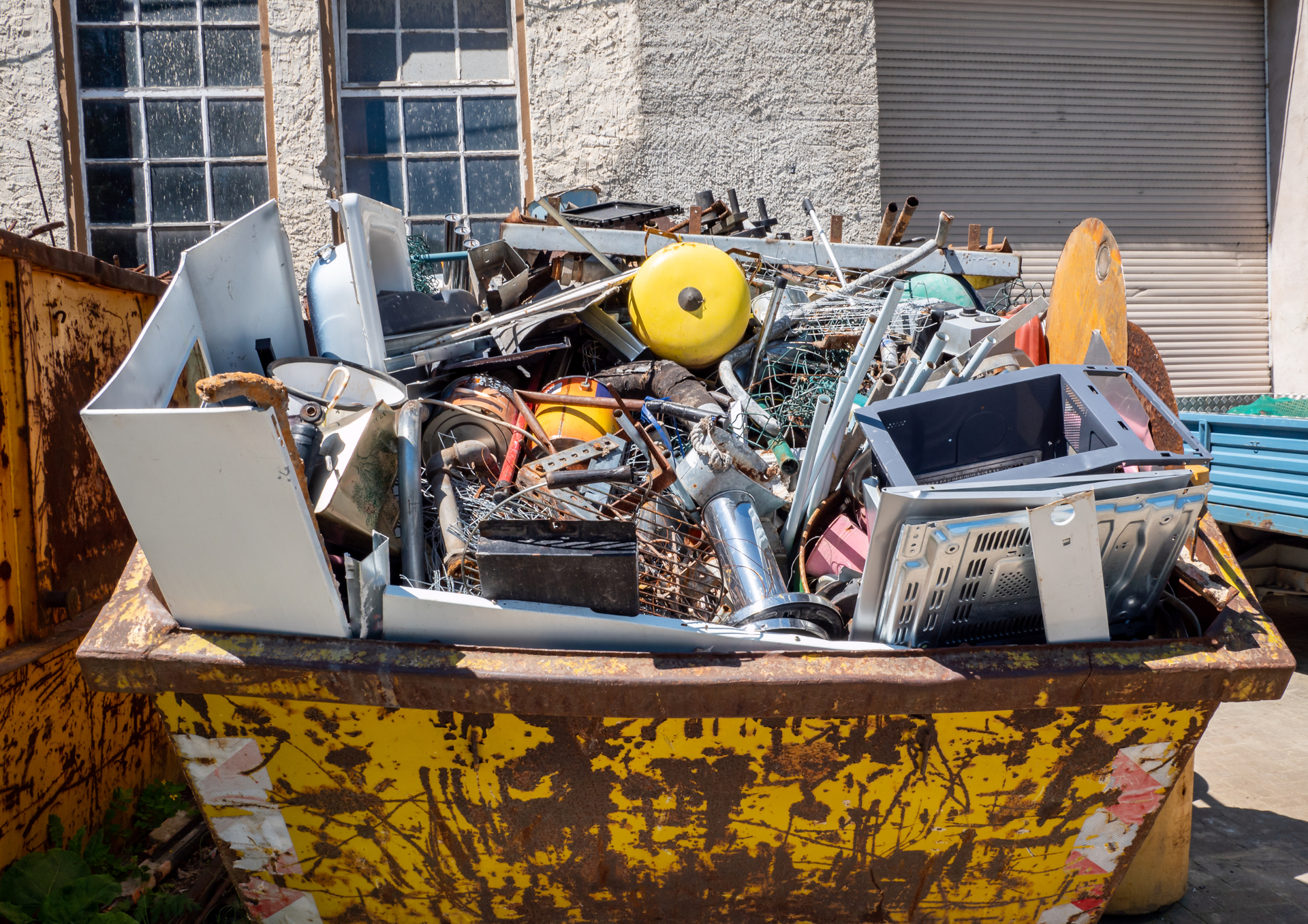
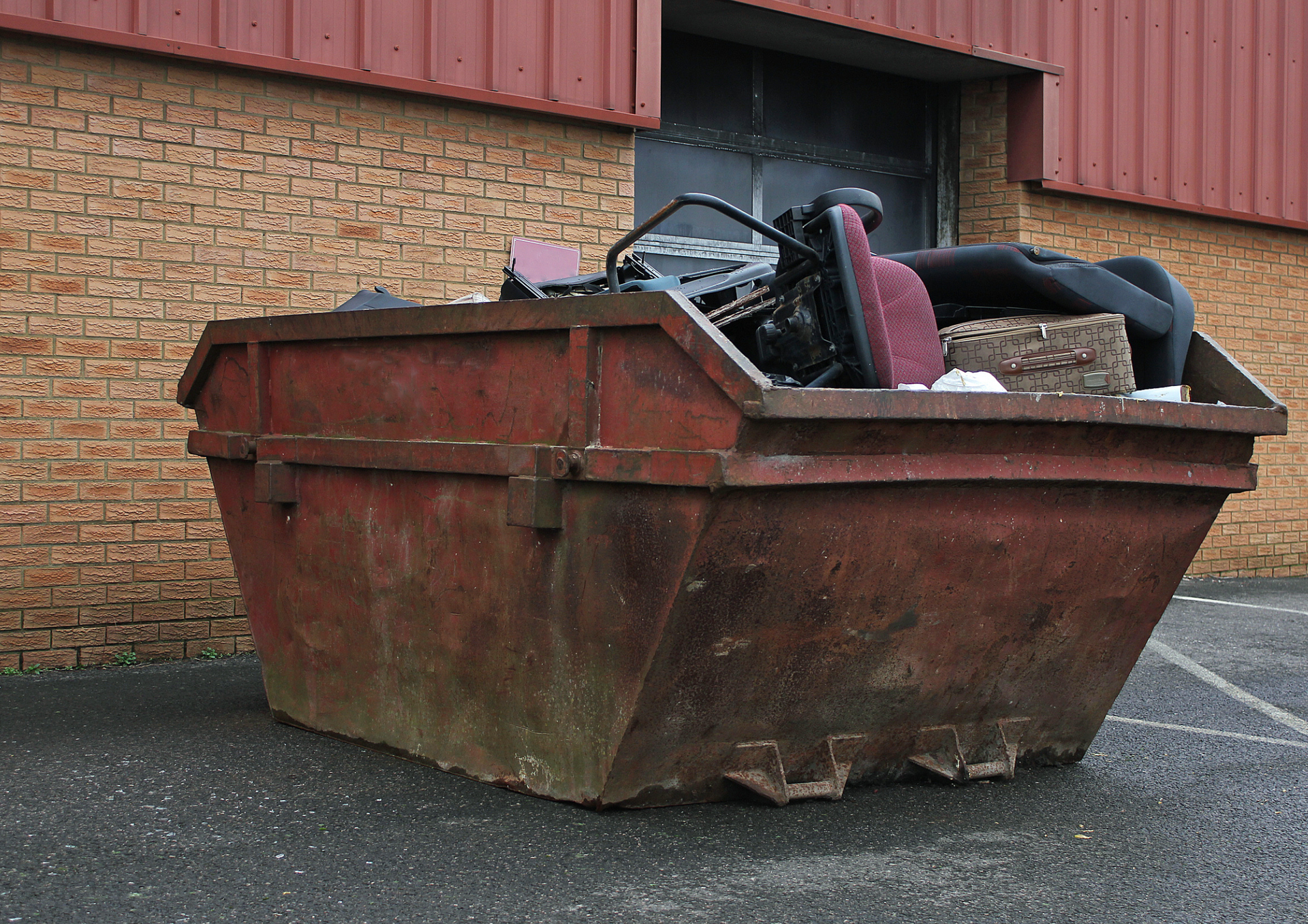
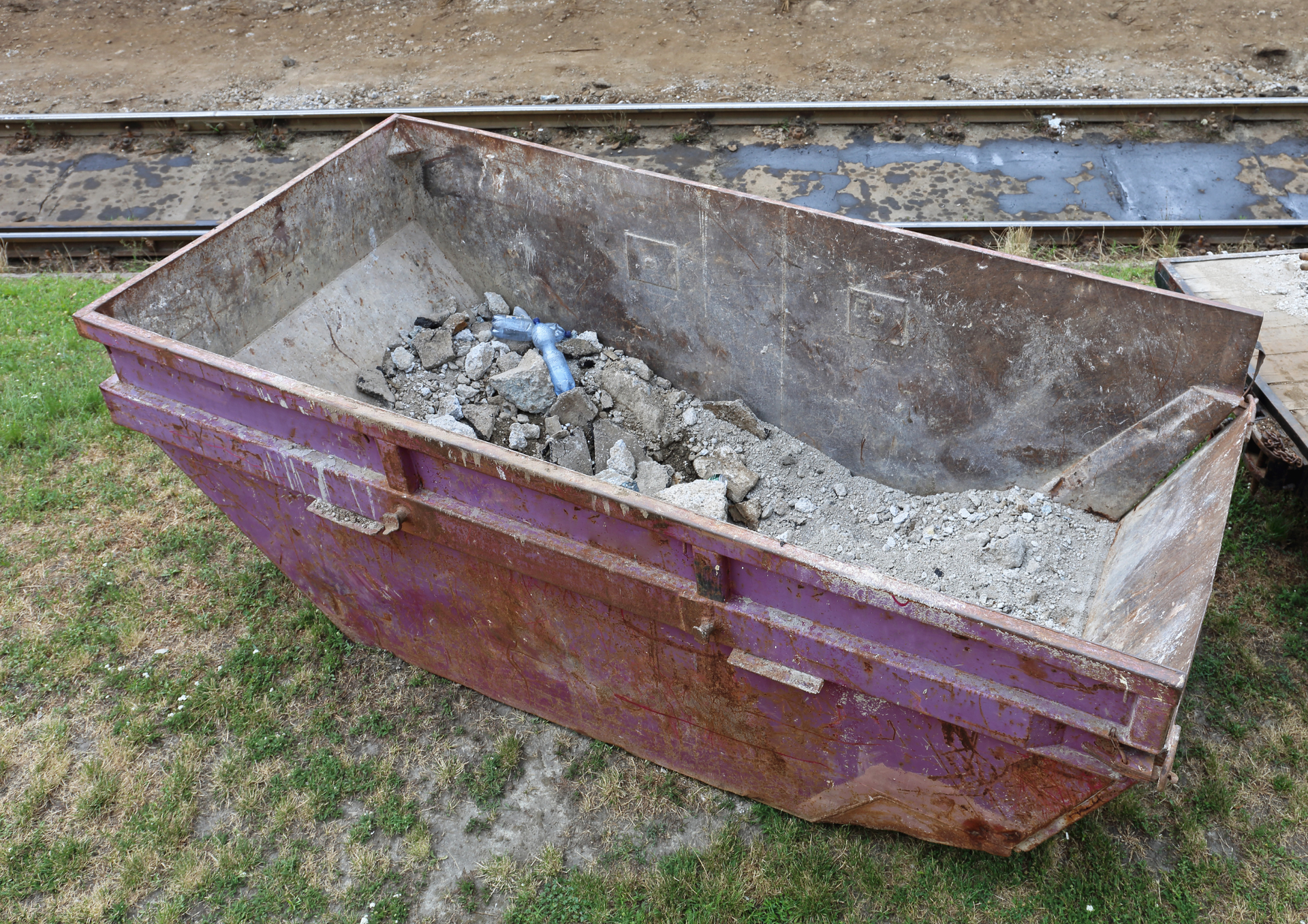
Choosing skip hire near me before work begins allows waste to be managed efficiently throughout the project. Rather than allowing materials to accumulate around the property, waste can be placed directly into a suitable container, helping maintain a cleaner and safer working environment.
Planning Waste Removal Before Starting Your DIY Project
Many successful DIY projects begin long before the first wall is painted or the first floorboard is lifted. Planning skip hire near me in advance allows homeowners, landlords, surveyors, and local authorities to organise materials, schedules, equipment, and waste disposal efficiently before work gets underway.
One of the first considerations should be identifying the types of waste likely to be produced. Kitchen refurbishments may generate cabinets, worktops, tiles, and appliances. Bathroom renovations often involve sanitary ware, wall coverings, flooring, and plumbing materials. Decorating projects create packaging, old carpets, wallpaper, timber offcuts, and empty containers, while garden improvements frequently result in soil, branches, fencing panels, and paving materials.
Estimating waste volumes early helps prevent disruption later. Many people underestimate just how much debris accumulates during even relatively modest improvement work. A project that initially appears straightforward can quickly produce multiple loads of waste requiring removal.
Maintaining an organised work area offers several practical advantages. Clear access routes reduce trip hazards, make transporting materials easier, and allow tradespeople or family members to work more efficiently. Keeping waste contained also helps protect finished areas from unnecessary damage during ongoing improvements.
Different projects may require different disposal methods depending on available access, property size, project duration, and the volume of waste being generated. Selecting the right approach before work begins reduces unnecessary interruptions and helps maintain steady progress throughout the renovation.
For projects where space is limited or immediate collection is preferred, some property owners may consider a wait and load skip near me service. This option allows waste to be loaded directly into the vehicle during an agreed collection period without requiring a skip to remain on site.
Good planning also includes considering neighbours, shared access areas, parking arrangements, and delivery timings. Organising these details in advance helps minimise inconvenience while allowing work to continue with fewer unexpected delays.
Choosing the Right Skip for Different Home Improvement Projects
Selecting the right skip is an important part of planning any DIY home improvement project. Considering the type of work, expected waste, and property access beforehand helps ensure waste is managed efficiently from start to finish.
Choosing the Right Skip Size
- Small decorating projects, loft clearances, or bathroom refurbishments often produce modest amounts of waste.
- Medium-sized renovations, such as kitchen refits or flooring replacements, usually require a larger skip.
- Full property refurbishments and commercial improvement projects typically generate significantly greater volumes of waste.
Understanding Different Waste Types
- Heavy materials such as bricks, concrete, rubble, paving slabs, and soil require careful planning due to their weight.
- Lighter waste, including timber, insulation, cardboard, plastics, and packaging, occupies space differently.
- Separating materials where appropriate can improve loading efficiency and support responsible waste disposal.
Assessing Property Access
- Consider available space before arranging skip delivery.
- Driveways, private land, shared access roads, narrow streets, and commercial premises all present different access requirements.
- Planning the skip location helps maintain safe access for occupants, contractors, and visitors throughout the project.
Comparing Local Skip Options
- Some customers search for skip bins near me when comparing waste management services.
- Regardless of the terminology used, choosing a skip that suits both the project size and available space is the most important consideration.
Seeking Professional Advice
- Experienced providers can recommend an appropriate skip size based on the planned work.
- Professional guidance helps avoid choosing a skip that is too small or unnecessarily large for the project.
Loading the Skip Efficiently
- Break down bulky furniture before placing it into the skip.
- Flatten cardboard boxes and packaging to maximise available space.
- Spread heavier materials evenly to maintain stability while loading.
Keeping the Project Organised
- Dispose of waste regularly as work progresses instead of allowing it to accumulate.
- Maintaining an organised site helps improve efficiency, keeps working areas tidier, and reduces interruptions throughout the renovation.
Keeping DIY Projects Safe, Organised, and Environmentally Responsible
Keeping a DIY project organised throughout every stage helps improve efficiency, maintain a safer working environment, and prevent unnecessary delays. By managing waste properly and maintaining tidy work areas, homeowners and property professionals can complete renovation projects with fewer interruptions and better overall results.
Keeping Work Areas Safe and Tidy
- Maintain clear working areas to improve movement around the property.
- Using skip hire near me allows timber offcuts, broken plasterboard, damaged flooring, old fixtures, and packaging to be disposed of as work progresses.
- Removing waste regularly helps prevent debris from accumulating and creating unnecessary obstacles.
Supporting Different Property Projects
- An organised site benefits homeowners carrying out DIY improvements.
- Landlords can prepare rental properties more efficiently.
- Surveyors overseeing refurbishment projects can carry out inspections more easily.
- Local authorities managing residential and commercial improvement programmes can help minimise disruption through effective waste management.
Separating Waste Responsibly
- Separate recyclable and specialist materials from general building waste where possible.
- Sorting waste improves loading efficiency and supports responsible disposal practices.
- Reducing mixed waste can help minimise the amount of material requiring landfill.
Handling Specialist Waste
- Electrical equipment, paints, solvents, chemicals, batteries, asbestos-containing materials, and other controlled waste should never be mixed with general renovation waste.
- Arrange appropriate disposal methods for specialist materials before work begins to avoid delays later in the project.
Protecting the Property
- Use dust sheets and temporary floor coverings to help protect finished surfaces.
- Move waste carefully to reduce the risk of accidental damage.
- Regular rubbish removal improves visibility and makes potential hazards easier to identify.
Preparing for Weather Conditions
- Rain and strong winds may affect exposed building materials and loose waste.
- Keeping debris contained helps maintain a cleaner and safer site throughout changing weather conditions.
- Planning ahead is particularly beneficial for longer renovation projects.
Managing Commercial Refurbishments
- Keeping work areas organised supports business continuity during commercial improvement works.
- Clear pedestrian routes and efficient waste management help reduce disruption for staff, visitors, and customers.
Maintaining Good Housekeeping
- Remove waste regularly rather than allowing it to build up.
- Keep access routes clear throughout the project.
- Good housekeeping helps renovations progress more smoothly from start to finish while maintaining a safer and more organised working environment.
Choosing a Reliable Skip Hire Provider for Your Project
Choosing the right waste management provider can make a significant difference to the success of a DIY home improvement project. A reliable company helps keep waste removal organised, allowing renovations to progress smoothly from start to finish.
Experience and Expertise
- Choose a provider with experience supporting both residential and commercial projects.
- Experienced companies understand the different waste management requirements of various property types.
- Professional guidance can help you select the most suitable skip size for your project.
Clear Communication
- Reliable communication helps customers know when skips will be delivered and collected.
- Clear scheduling allows homeowners and contractors to organise work more efficiently.
- Keeping everyone informed helps minimise unnecessary interruptions during the project.
Flexible Service
- Waste management arrangements should suit the length of the renovation.
- Weekend projects may require short-term hire, while larger refurbishments often benefit from longer hire periods.
- Flexible collection and delivery options help keep waste removal aligned with the pace of the work.
Comparing Value
- Many people search for cheapest skip hire near me when comparing providers.
- While affordability is important, it is equally worthwhile considering reliability, professional service, suitable skip options, and dependable collections to achieve the best overall value.
Comparing Local Services
- Some customers begin their search by looking for rent a skip near me before starting a renovation.
- Comparing services, collection arrangements, and available skip sizes helps ensure the chosen provider meets the specific needs of the project.
Skip Hire Luton is committed to providing dependable waste management solutions that support DIY projects of every size. We understand that every property improvement project has different requirements, so we focus on offering practical guidance, reliable service, and flexible solutions that help customers plan waste removal with confidence.
Our website has been created to provide clear, straightforward information that helps homeowners, landlords, surveyors, local authorities, and commercial property managers make informed decisions before starting their projects. From understanding skip sizes to planning waste disposal efficiently, our aim is to make the entire process easier to understand.
We believe in delivering honest advice, excellent customer service, and dependable support from enquiry through to collection. Whether your project is large or small, Skip Hire Luton is dedicated to helping you manage waste responsibly while keeping your property improvement project organised, efficient, and running smoothly.
Latest Post on X:
Skip hire near me support for household improvement projects.
You might also like