
Why Skip Hire Is Useful for Clearing Waste After Building Work Safely
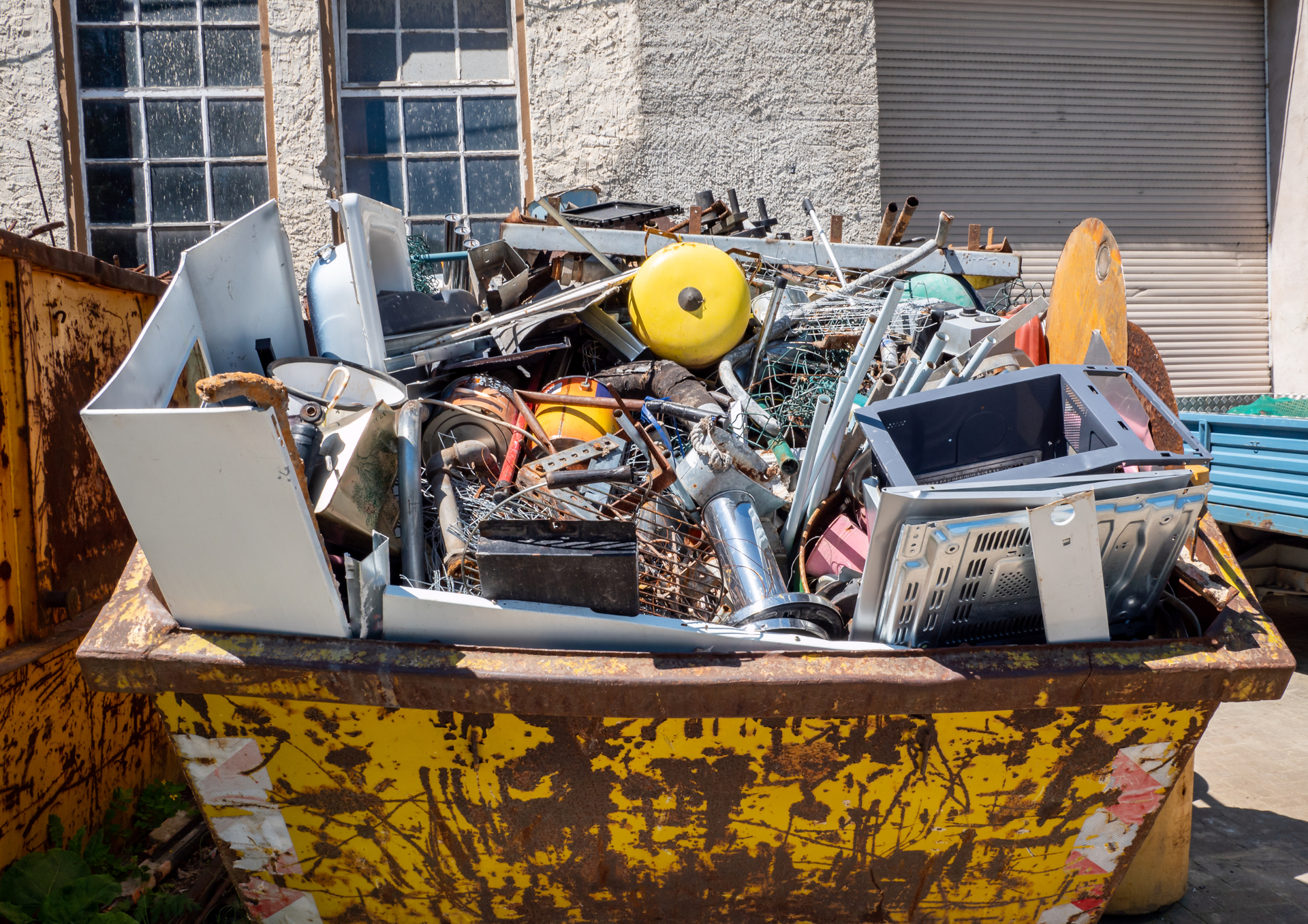
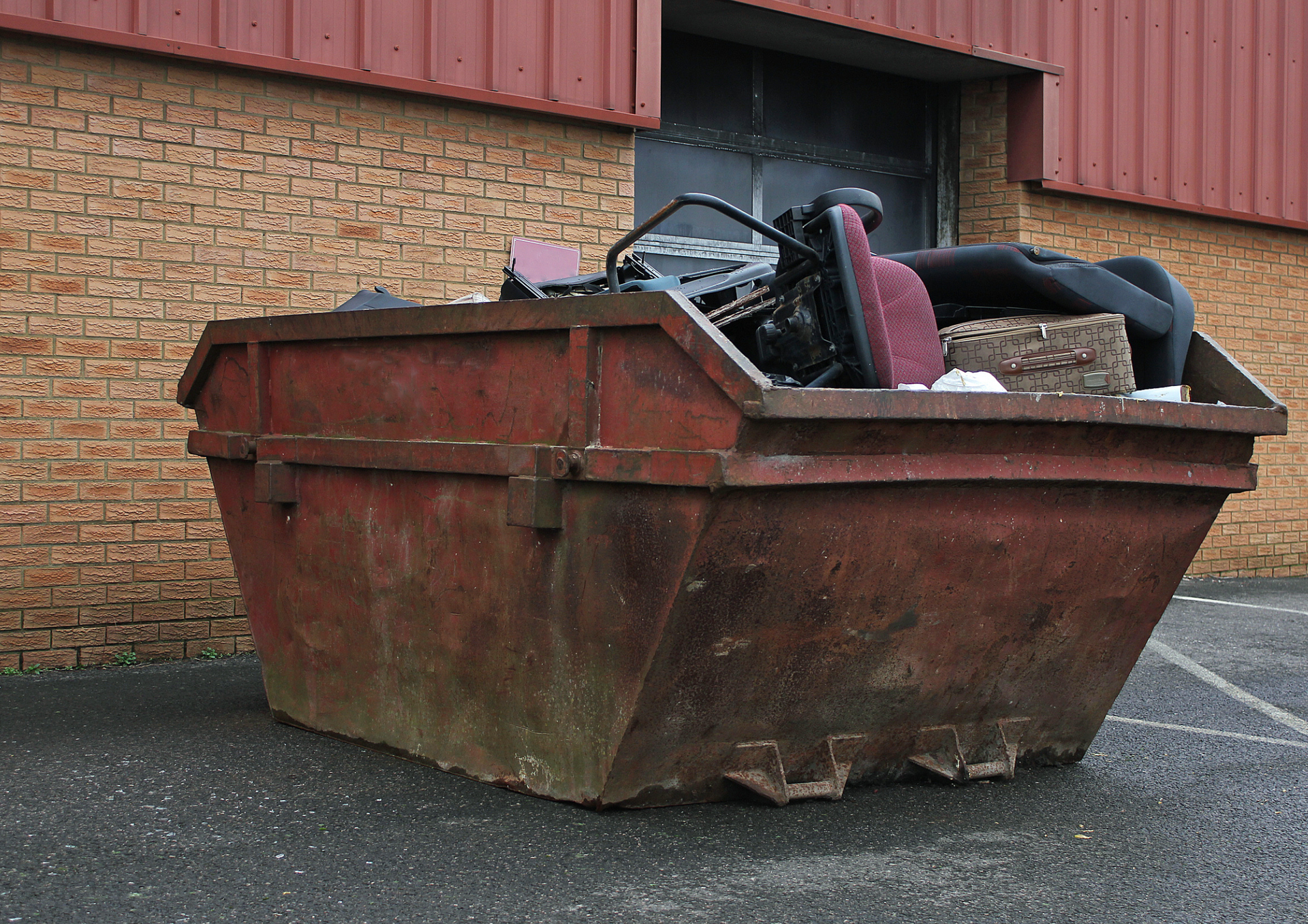
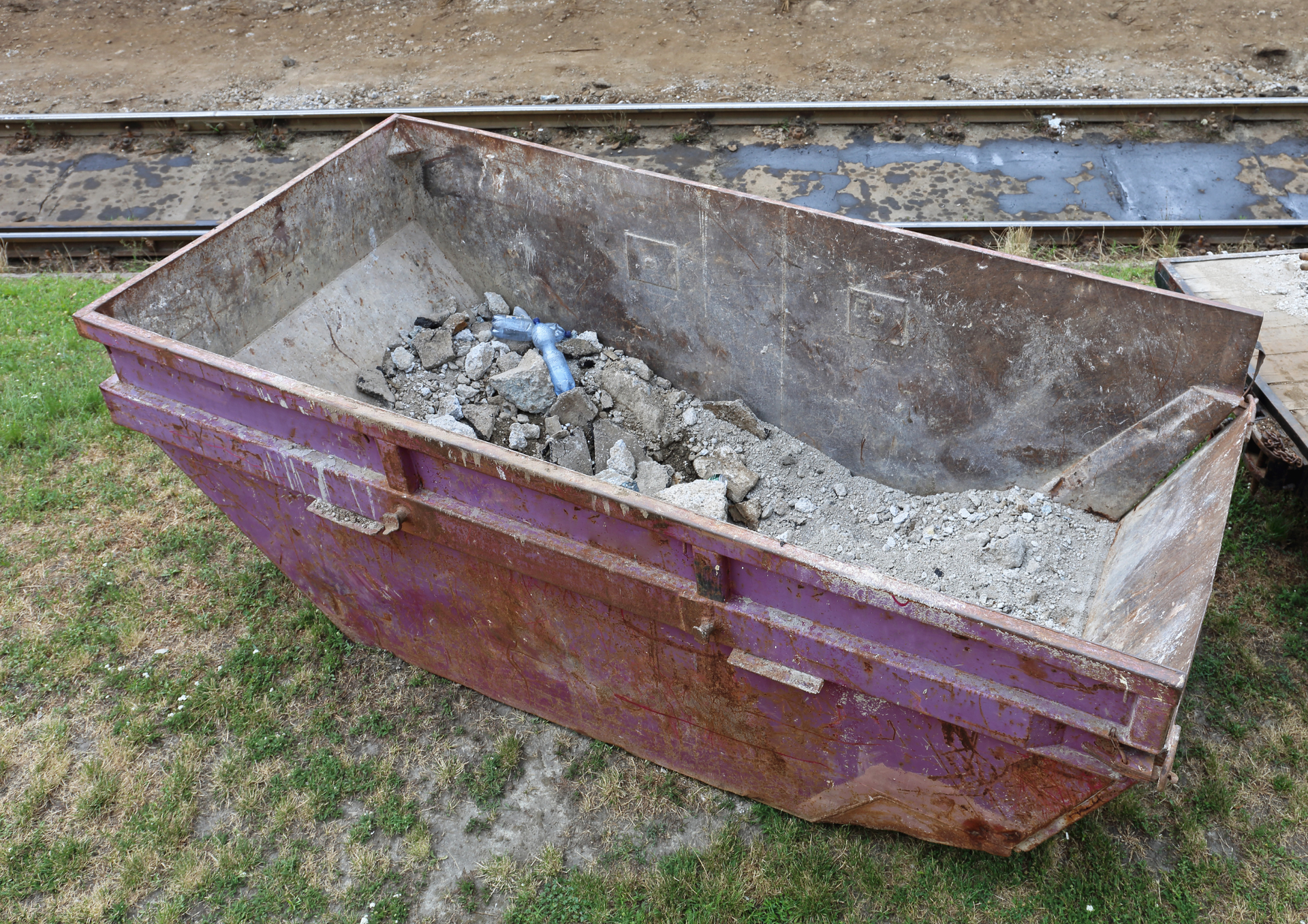
Building work can transform a property, but it can also leave behind considerable amounts of unwanted material. Timber offcuts, old fittings, packaging, broken tiles and general renovation debris can quickly occupy valuable space if there is no organised plan for removing them. Arranging skip hire gives homeowners, landlords, surveyors, local authorities and those responsible for residential or commercial properties a practical way to manage these materials as work progresses.
Planning waste removal early can make the entire project easier to manage. Instead of allowing materials to accumulate in gardens, driveways, corridors or working areas, an appropriate container provides a designated place for suitable waste. This can be particularly helpful during renovations, extensions, property repairs and larger refurbishment programmes where several stages of work may generate different quantities of unwanted material.
For projects in Luton, local conditions such as available space, property access and the scale of the work should also be considered before making arrangements. The same principles apply elsewhere: understanding what the project will produce, how much space is available and when collection will be required can make waste management considerably more straightforward. A planned approach helps maintain an organised site while allowing tradespeople and property owners to concentrate on completing the work.
Planning Waste Removal Around Different Types of Building Work
Building projects vary considerably in size and complexity, so waste removal should be planned around the work being undertaken rather than treated as an afterthought. Someone searching for skip hire near me should consider the expected volume of material, available space and project schedule before choosing an appropriate service.
Kitchen and Bathroom Refurbishments
- Removing old cabinets, worktops, tiles and fittings can produce a surprisingly large amount of material within a short period.
- Packaging from replacement products can add further volume as new items arrive on site.
- Having a designated disposal area prevents unwanted materials from taking over rooms that are still being worked on.
- Planning removal alongside demolition and installation stages can help maintain clear access for tradespeople.
Extensions and Structural Improvements
- Extensions and substantial property alterations can generate waste throughout several phases rather than all at once.
- Timber, masonry, old fixtures and general building debris may need to be managed as work progresses.
- Estimating quantities before the project begins helps determine how much disposal capacity is likely to be required.
- Regularly clearing working areas can make it easier to move tools and materials around the property.
Roofing and Exterior Work
- Roof repairs, replacement materials and exterior improvements can leave bulky waste around gardens, driveways and access routes.
- Keeping these areas organised is particularly important when several trades or vehicles require access.
- Suitable placement should be considered before work starts so the container does not interfere with deliveries or equipment.
- Collection timing can be coordinated with the completion of major stages of exterior work.
Commercial and Managed Properties
- Offices, retail premises, rental properties and other managed buildings may require careful scheduling to reduce disruption.
- Waste arrangements should take account of occupants, neighbouring properties and normal site activities.
- Surveyors and property managers may find it useful to estimate waste requirements during the planning stage.
- Local authorities and those overseeing larger premises can benefit from having clear arrangements for delivery, use and removal.
Thinking about waste before construction begins helps create a more organised approach. It also allows customers to discuss practical matters such as placement, access and collection before these become urgent issues during the project.
Keeping Building Sites More Organised During the Work
An organised building site is easier to manage than one where unwanted materials are allowed to accumulate wherever space happens to be available. Even relatively modest home improvements can generate bags, packaging, broken fixtures and offcuts throughout the day. Establishing a designated disposal area gives everyone working on the property a clear understanding of where appropriate waste should be placed.
Good organisation is particularly useful when properties remain occupied during renovation. Homeowners and tenants may still need to use entrances, gardens, parking spaces and other parts of the building while work is taking place. Keeping waste concentrated in an agreed location can help reduce unnecessary obstruction and maintain usable areas around the property.
The same principle applies to commercial premises. Businesses may need refurbishment work completed while maintaining access for employees, contractors or visitors. Waste left around loading areas, corridors or exterior spaces can make routine activities more difficult. Planning where materials will be stored before removal helps separate the working area from parts of the premises that remain in normal use.
For customers considering local skip hire, discussing access conditions in advance can be especially useful. Residential streets, narrow driveways, shared access points and commercial yards all present different practical considerations. Providing accurate information about the property helps determine whether the proposed location is suitable and whether additional planning may be required before delivery.
It is also important to think about how the project will develop over time. The area that appears convenient at the beginning may later be required for scaffolding, deliveries or construction equipment. Looking at the complete project schedule before deciding on placement can prevent avoidable complications.
Waste should also be managed sensibly rather than simply thrown into a container without consideration. Different materials can have different disposal requirements, and some items may need alternative arrangements. Checking what can and cannot be accepted before work begins helps avoid problems later and gives contractors clear guidance throughout the project.
Organisation does not need to be complicated. A simple plan covering the expected materials, suitable placement, access and approximate collection date can make a significant difference. By treating waste removal as part of the building programme rather than something to address at the end, property owners and managers can maintain a more orderly environment throughout the work.
Choosing an Appropriate Size and Planning Collection
Selecting an appropriate container requires a realistic assessment of the project rather than simply choosing the largest or smallest option available. Before deciding to rent a skip, customers should consider the type of building work, expected quantity of waste, available placement space and how quickly materials are likely to accumulate.
Smaller Property Improvements
- Decorating, minor repairs and individual room improvements may produce relatively modest quantities of material.
- A smaller option can be easier to accommodate where driveway or garden space is limited.
- Estimating waste carefully helps prevent paying for significantly more capacity than the project requires.
- Customers should consider both demolition waste and packaging from replacement materials.
Medium-Sized Renovations
- Kitchen replacements, bathroom refurbishments and several-room improvements can generate waste over multiple stages.
- Materials may include old units, flooring, tiles, timber and general renovation debris.
- Allowing some capacity for unexpected materials can help avoid filling the container too early.
- Discussing the nature of the work with the provider can make size selection easier.
Larger Building Projects
- Extensions, major refurbishments and commercial improvements may produce substantial volumes over a longer period.
- Waste requirements should ideally be considered alongside the wider construction programme.
- Larger projects may benefit from planned collection arrangements rather than waiting until capacity becomes an immediate concern.
- Site access should be assessed carefully where construction vehicles, deliveries and contractors are also using the area.
Delivery and Collection Planning
- The proposed location should provide suitable access for delivery and later removal.
- Customers should consider whether parked vehicles, gates or other obstacles could restrict access.
- Collection should be planned around the progress of the project rather than being left until the last moment.
- If the container is being positioned away from private land, customers should check whether additional arrangements or permissions apply.
Choosing an appropriate size can improve efficiency throughout the project. Too little capacity may result in additional arrangements being needed, while excessive capacity can occupy valuable space unnecessarily. A realistic assessment before booking usually provides the most practical starting point.
When Faster Waste Removal Can Support Project Progress
Building work does not always follow the original programme. Contractors may complete demolition sooner than expected, additional waste may be discovered when old fittings are removed, or a project may need to begin at relatively short notice. In these circumstances, having access to same day skip hire can provide useful flexibility where availability and site conditions allow.
Fast delivery can be particularly helpful when unexpected materials are preventing the next stage of work from starting. For example, a room may need to be cleared completely before new flooring or fittings can be installed. Similarly, exterior waste may need to be removed before scaffolding, equipment or new materials can be brought onto the property.
However, speed should still be combined with appropriate planning. Customers need to know what size is required, where it can be placed and whether the proposed location can be accessed safely. Making these decisions quickly does not mean they should be overlooked. Providing clear information when booking allows the provider to understand the circumstances and advise on practical arrangements.
Faster waste removal can also be useful towards the end of a project. Once construction or refurbishment is substantially complete, leftover materials can prevent final cleaning, landscaping or property preparation from progressing. Prompt removal creates space for these final stages and helps return the property to normal use.
Landlords may find this particularly useful between tenancies when building repairs and general improvement work need to be completed within a limited period. Commercial property managers may face similar pressures when preparing premises for occupants, reopening areas after refurbishment or coordinating several contractors.
Surveyors and those overseeing larger programmes can benefit from incorporating waste removal into the wider schedule rather than treating it as an isolated service. Identifying likely disposal points throughout the programme helps reduce the chance that accumulated materials will delay other activities.
Fast service is therefore most useful when it supports a properly considered plan. Combining responsive arrangements with realistic expectations about waste volumes, site access and collection can help building work progress more smoothly without creating unnecessary complications elsewhere on the property.
Waste management is an important part of completing building work efficiently, whether the project involves a single-room renovation, a property extension, commercial refurbishment or ongoing maintenance. Materials can accumulate quickly, and leaving them unmanaged can reduce available space, interfere with access and make the final stages of a project more difficult.
Using skip hire as part of the project plan provides a designated place for appropriate waste while helping homeowners, landlords, surveyors, local authorities and property managers maintain a more organised site. The most suitable arrangements will depend on the scale of the work, the materials being removed, available space and the expected project schedule.
Planning before work starts is generally easier than trying to solve waste problems once materials have already accumulated. Estimating volumes, considering access, selecting suitable capacity and deciding when collection is likely to be required can all contribute to a smoother process.
These principles apply to projects in Luton as well as other locations. Every property presents different circumstances, but careful preparation remains valuable regardless of project size. By treating waste removal as an integral part of building work, customers can maintain clearer working areas and concentrate on completing improvements in an organised and practical manner.
Skip Hire Luton provides practical information and straightforward support for customers arranging waste removal following building work. We understand that homeowners, landlords, surveyors, local authorities and those responsible for residential or commercial properties can have very different requirements, so our approach focuses on understanding the project before suitable arrangements are considered.
For customers who need skip hire for renovations, clearances, repairs or larger building projects, our website is designed to make the process easier to understand. We focus on useful guidance covering capacity, access, delivery and collection without adding unnecessary complexity.
Our aim is to help customers make informed decisions based on the amount of waste they expect to produce and the practical conditions at their property. Whether work is being carried out at a home, rental property, commercial building or managed site, clear planning can make waste removal considerably easier from the beginning of the project through to final collection.
Check out our latest X update on why
skip hire is useful for clearing waste safely and efficiently after building work!
You might also like