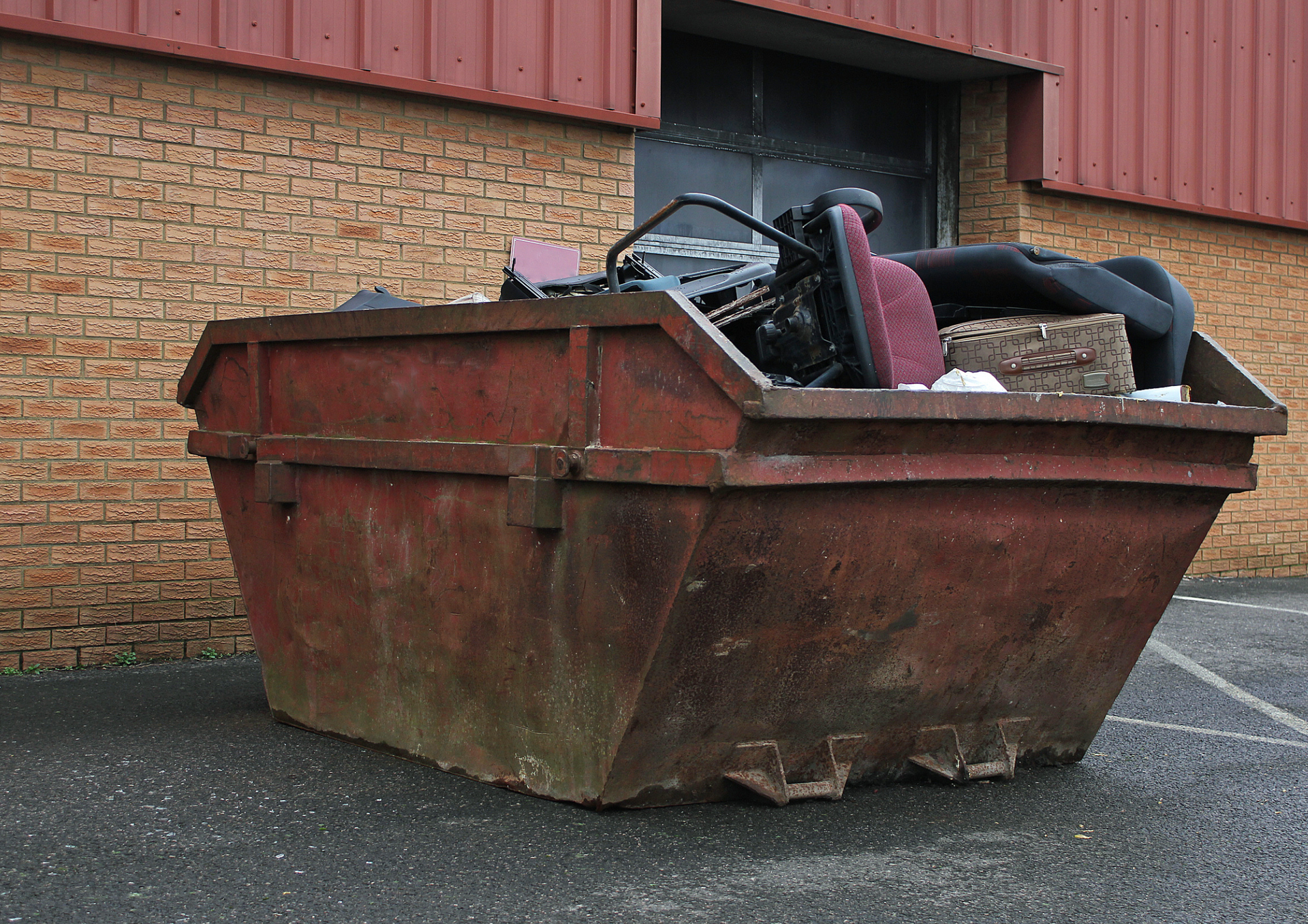

Skip Hire Prices: Understanding Costs Across Different Skip Sizes
Planning waste removal involves more than simply deciding that a skip is required. The amount and type of waste, available space, project duration and intended placement can all influence which container is suitable. Understanding these considerations before booking can help homeowners, landlords, surveyors, local authorities and those responsible for commercial properties make practical decisions without paying for capacity they are unlikely to use.
When comparing skip hire prices, it is useful to understand why different container sizes are priced differently and why two seemingly similar projects may receive different quotations. A small household clearance may require considerably less capacity than a property refurbishment, while building work can produce substantial quantities of dense or bulky material. The appropriate solution therefore depends on the individual project rather than simply choosing the cheapest available container.
In Luton, this planning can be particularly important for properties where driveways, residential streets, commercial premises and access arrangements vary considerably. Thinking about waste volumes and placement before making a booking can reduce disruption and make loading easier.
The aim should be to find a suitable balance between capacity, convenience and overall value. A properly selected skip provides enough room for expected waste without creating unnecessary expense or requiring repeated arrangements because the original container was too small.
How Different Skip Sizes Suit Different Types of Projects
Skip capacity is one of the main considerations when planning waste removal. Although the exact containers available can vary between providers, understanding how smaller, medium and larger options are commonly used provides a useful starting point. Comparing skip sizes and prices alongside the expected volume and type of waste can help customers choose more appropriately.
Smaller Skips
- Smaller containers are commonly considered for modest household clearances, minor DIY projects and garden tidy-ups where the amount of waste is relatively limited.
- Their compact footprint can be helpful where driveway or site space is restricted, provided there is still suitable access for delivery and collection.
- They can work well for clearing cupboards, small rooms, sheds or manageable quantities of general household materials.
- Choosing a smaller container should still involve estimating the expected volume carefully, as selecting too little capacity can result in additional arrangements later.
- Customers should also consider whether bulky objects will fit comfortably rather than judging suitability only by the total amount of waste.
Medium-Sized Skips
- Medium options are often suitable for kitchen improvements, bathroom renovations, larger household clearances and general refurbishment projects.
- They provide additional capacity without necessarily requiring the space associated with the largest containers.
- These options can be practical when several rooms are being cleared or when a mixture of household and renovation materials is expected.
- Landlords preparing rental properties between occupancies may find medium capacity useful when furniture, fixtures and accumulated household waste need to be managed.
- Planning the order in which materials are loaded can help customers make effective use of the available space.
Larger Skips
- Larger containers may be appropriate for substantial property renovations, commercial clearances and building projects that generate significant quantities of material.
- Their greater capacity can reduce the need for repeated collections during projects where waste is produced continuously.
- Surveyors, property managers and local authorities overseeing larger works may need to consider both expected waste volumes and the available area for placement.
- Commercial customers should think about how the container will affect vehicle movements, staff access and normal operations while it is on site.
- The type and weight of waste remain important considerations because greater physical capacity does not automatically mean every material can be loaded without restriction.
Matching Capacity to the Project
- Estimate the likely waste volume before booking rather than relying solely on the apparent scale of the property.
- Consider bulky materials separately because furniture, timber and fittings can occupy considerable space even when the number of individual items is relatively small.
- Think about whether waste will be produced at once or gradually throughout the project.
- Allow for reasonable additional capacity when the exact quantity is difficult to predict, while avoiding a container considerably larger than necessary.
- Ask for guidance when uncertain, particularly for mixed residential, commercial or renovation waste.
What Factors Can Change the Overall Price of Hiring a Skip?
Container capacity is important, but it is not the only consideration behind a quotation. The overall skip hire cost can reflect the type of waste, duration of hire, delivery requirements, collection arrangements and location of the container. Looking at these elements together provides a more accurate understanding of value than comparing size alone.
Waste type deserves particular attention. A garden clearance produces different materials from a bathroom renovation or office refurbishment, and the way those materials are handled can vary. Customers should explain what they expect to dispose of when arranging the service rather than assuming that every material can be placed into the same container. Clear information at the booking stage can help prevent complications once work begins.
Hire duration can also affect planning. A homeowner completing a weekend clearance may only need a container for a relatively short period, while a landlord managing refurbishment work across several rooms may need longer. Commercial developments can require an even more structured schedule because waste may be generated at different stages. Knowing approximately how long the container will be required makes it easier to arrange delivery and collection appropriately.
Placement is another important factor. A private driveway or suitable area within a property boundary can provide straightforward positioning, whereas placement elsewhere may involve additional considerations. Customers should establish where the container will stand before booking and check that the location offers sufficient space for delivery vehicles to manoeuvre safely.
Access should be considered carefully in built-up areas. Residential streets, parked vehicles, narrow entrances, gates and other obstacles can all affect delivery. This is particularly relevant in parts of Luton where property layouts and road conditions vary from one neighbourhood to another. Providing accurate access information helps the provider plan the delivery rather than encountering avoidable difficulties on arrival.
Collection arrangements matter as well. Customers should understand whether they need to request collection once work is finished or whether a date will be agreed beforehand. Clear arrangements help prevent a full container remaining on site longer than necessary.
Rather than focusing on one figure, customers should consider what the quotation includes and whether the service suits the project. A clear understanding of capacity, duration, placement and collection makes it easier to assess overall value.
Comparing Options Without Choosing on Price Alone
It can be tempting to select the lowest quotation immediately, particularly when several companies appear to offer similar containers. However, skip hire prices near me searches are most useful when customers compare the complete service rather than treating the cheapest figure as the only deciding factor.
Check What the Quotation Covers
- Establish what is included in the quoted amount before confirming the booking.
- Ask about the expected hire period so that the timescale matches the planned project.
- Confirm delivery and collection arrangements to avoid uncertainty later.
- Make sure the quotation relates to the correct container size rather than comparing differently sized options.
- Explain the expected waste type so the provider can advise whether the selected service is appropriate.
Consider Delivery Reliability
- A low quotation provides limited value if the container does not arrive when the project needs it.
- Renovation and clearance work may depend on having waste storage available from the beginning.
- Landlords and commercial property managers may be coordinating several trades, making dependable scheduling particularly important.
- Customers should provide accurate access information so delivery can be planned efficiently.
- Discussing the intended placement beforehand can reduce delays on arrival.
Look at Collection Arrangements
- Find out how collection is requested and whether advance notice is normally required.
- Consider the project timetable when deciding how long the container is likely to remain on site.
- Avoid filling the container beyond the permitted level, as safe collection depends on appropriate loading.
- For longer projects, consider whether waste will be produced continuously and whether collection timing needs to align with different phases of work.
- Clear communication towards the end of the hire period can help the site return to normal promptly.
Assess Service and Communication
- Straightforward answers to questions can make booking easier, particularly for customers hiring a container for the first time.
- Guidance on capacity can be valuable when the expected volume is difficult to estimate.
- Professional communication helps homeowners and businesses understand their responsibilities throughout the hire period.
- Local knowledge can assist with access planning in residential and commercial areas.
- A dependable provider should make the process understandable rather than leaving customers uncertain about basic arrangements.
Think About Overall Value
- Consider whether the selected capacity is appropriate for the actual project.
- Compare equivalent services wherever possible rather than judging quotations that include different arrangements.
- Factor in the inconvenience of choosing a container that is too small and requiring further waste removal.
- Avoid paying for substantial unused capacity simply because a larger option initially appears convenient.
- Prioritise a combination of suitable equipment, dependable scheduling, clear communication and responsible waste handling.
Planning Ahead to Keep Waste Removal Efficient
Understanding skip prices is only part of organising waste removal effectively. Good preparation before delivery can make the container easier to use, reduce disruption and help customers make better use of the space they have selected.
The first step is to consider what the project will actually produce. Household decluttering may involve bags, boxes, old fittings and furniture, whereas renovation work can generate timber, plasterboard, packaging and other building-related materials. A commercial clearance may include office furniture, shelving and general workplace waste. Identifying these materials early provides a clearer picture of the capacity required.
It is also helpful to establish a suitable loading routine. Large flat items can occupy unnecessary space when placed awkwardly, while smaller materials may fit more efficiently around them. Customers should still follow any loading guidance provided and avoid exceeding permitted fill levels. Efficient loading is about using available capacity sensibly rather than attempting to force excessive waste into the container.
Site preparation can make delivery considerably easier. Driveways and access areas should be cleared where possible, and customers should consider gates, parked vehicles, overhanging branches and other obstacles. Commercial premises may need to coordinate delivery around staff, visitors or regular vehicle movements.
For residential properties in Luton, thinking about neighbours and normal access is equally worthwhile. A well-planned position can make loading convenient without unnecessarily interfering with everyday movement around the property. Landlords managing occupied buildings should also consider how the container could affect tenants and shared access areas.
Project timing should be realistic. Ordering too early may mean the container occupies space before it is required, while leaving arrangements until waste has already accumulated can create unnecessary clutter. Coordinating delivery with the start of clearance, renovation or construction work generally provides a more practical approach.
Customers should also consider when the project is likely to finish. Once the waste has been loaded and no further material is expected, arranging collection promptly helps restore the area and prevents the container from remaining unnecessarily.
Good planning ultimately makes waste management less disruptive. By estimating quantities, considering access, choosing appropriate capacity and coordinating delivery with the project schedule, customers can create a straightforward process that works for both small domestic tasks and substantial commercial projects.
Understanding
skip hire prices becomes much easier when customers recognise that container size is only one part of the overall quotation. Waste type, hire duration, access, placement and collection arrangements can all influence the service required, which is why comparing equivalent options is more useful than simply looking for the lowest advertised figure.
Homeowners carrying out renovations or clearances should consider how much material they are likely to produce and whether bulky items will affect capacity. Landlords may need to coordinate waste removal around property maintenance or refurbishment schedules, while surveyors and local authorities can benefit from considering site access and project duration at an early stage. Commercial property managers may have additional requirements relating to working hours, vehicle movements and maintaining access around active premises.
Regardless of location, careful preparation is one of the most effective ways to achieve good value. Selecting suitable capacity can reduce the likelihood of requiring additional arrangements, while avoiding an unnecessarily large container prevents customers from paying for space they do not need. Clear communication about waste types and delivery conditions also helps the process run more smoothly.
Taking the time to understand the complete service therefore provides a stronger basis for making a decision. Price remains important, but suitability, reliability, communication and responsible waste management should all form part of the comparison.
Skip Hire Luton provides practical waste removal support for homeowners, landlords, surveyors, local authorities and those responsible for residential and commercial properties. Our approach focuses on helping customers understand their options so they can select a suitable container based on the scale of the project, expected waste volume and available space.
Whether you are clearing a single room, renovating a property, managing waste between tenancies or organising a larger commercial project, understanding skip hire prices can help you make a more informed choice. We provide straightforward guidance on available options while considering the practical requirements of each individual project.
Local knowledge is also valuable when arranging delivery. Access conditions, property layouts and placement requirements can differ throughout Luton, so providing clear information before delivery helps ensure appropriate arrangements can be made. Our focus is on dependable communication, practical planning and responsible waste management from the initial enquiry through to collection.
Check out our latest X update explaining
skip hire prices and how costs can vary across different skip sizes.
You might also like